

More Than a House: What to Look for in Supported Independent Living in Melbourne
Choosing where to live is an important decision for anyone. For people receiving NDIS supports, finding the right Supported Independent Living (SIL) home involves looking beyond the property itself.
A good SIL arrangement should support a person's goals, preferences, independence and connection with their community.
At More Than Support, we believe that where someone lives can make a meaningful difference to how they live. That's why our approach to Supported Independent Living considers not only the home, but also the surrounding community, accessibility, support needs and opportunities for everyday participation.
What is Supported Independent Living (SIL)?
Supported Independent Living, commonly known as SIL, is an NDIS support designed for people who need assistance with daily tasks and living independently.
SIL can provide personalised support with activities such as:
Personal care and daily routines
Meal preparation and household tasks
Medication support, where appropriate
Developing daily living skills
Building independence and confidence
Accessing the community
Participating in social activities
Working towards individual goals
SIL is not simply about having somewhere to live. The right support should help a person develop greater independence while receiving the assistance they need to live safely and comfortably.
What makes a good SIL home?
Every participant has different needs, preferences and goals, so there is no single definition of the "perfect" SIL home.
However, there are several things worth considering when exploring Supported Independent Living in Melbourne.
1. A home that supports independence
The home should provide an environment where participants can practise and develop everyday living skills at their own pace.
This might include preparing meals, maintaining their living space, managing routines, making choices about their day and participating in household activities.
The goal is not to do everything for someone. Quality SIL support should encourage people to do as much as they can for themselves, with assistance when they need it.
2. Access to the local community
A home doesn't exist in isolation.
Having parks, shops, public transport, community facilities and other everyday amenities nearby can create more opportunities for participants to get out, connect with others and participate in activities that are meaningful to them.
For example, having a local park close to home can make it easier to enjoy some fresh air, go for a walk, exercise or simply spend time outdoors with a support worker.
These may seem like small everyday opportunities, but they can contribute significantly to quality of life and community participation.
3. Support that is personalised
SIL should be tailored to the individual.
The type and level of support someone requires may change over time as their skills, confidence, circumstances and goals develop.
A person-centred approach means understanding what matters to the participant and working alongside them rather than taking control of their daily life.
4. A supportive environment
For many people, moving into Supported Independent Living is a significant life transition.
A positive home environment can help participants feel comfortable, develop relationships and build a sense of belonging.
Where appropriate, living alongside other participants can also create opportunities for social connection, shared activities and friendships.
Why location matters in Supported Independent Living
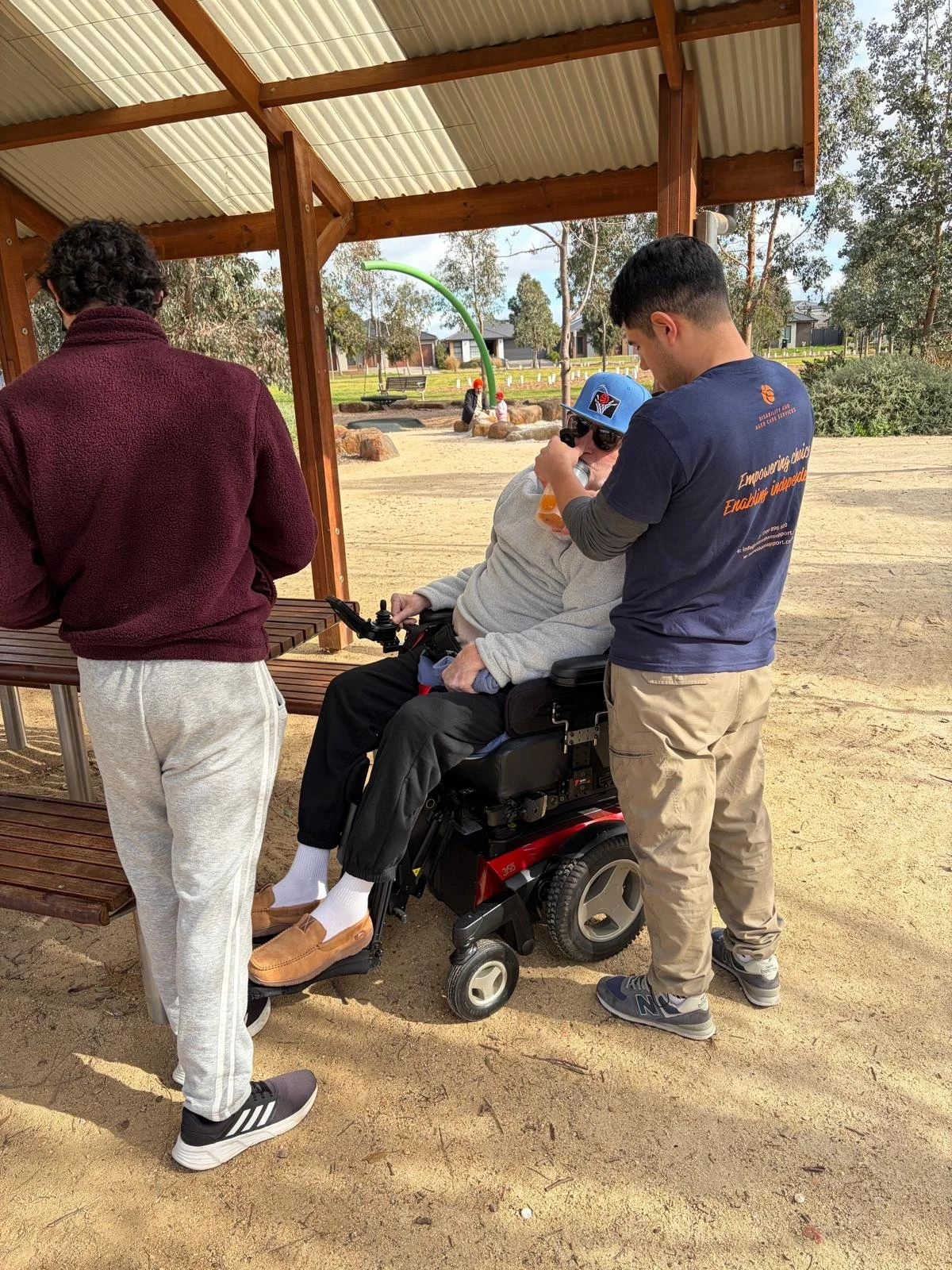
When looking for SIL accommodation in Melbourne, it can be tempting to focus only on the house itself.
However, the surrounding area can be just as important.
Consider:
Is there a park nearby?
Are shops and essential services accessible?
Is public transport available?
Are there community facilities nearby?
Can participants easily access activities they enjoy?
Does the location support their existing relationships and routines?
At More Than Support, we recognise that these everyday factors can help create opportunities for greater participation and independence.
A well-located home can make it easier for participants to engage with their community rather than feeling separated from it.
SIL and SDA: What's the difference?
SIL and Specialist Disability Accommodation (SDA) are often confused because they can work together, but they are not the same thing.
SIL is a support. It provides assistance with daily living for eligible NDIS participants who require support to live more independently.
SDA is housing. It refers to specialised homes designed for people who have very high support needs or extreme functional impairment and meet the relevant NDIS eligibility requirements.
A participant may receive SDA funding for their home while also receiving SIL or other supports, depending on their individual circumstances and NDIS plan.
Understanding the difference is an important first step when exploring NDIS housing options.
What does SIL funding cover?
SIL funding is intended to cover the supports a participant needs to live as independently as possible.
It is important to understand that SIL funding does not pay for ordinary living expenses such as rent or groceries.
At More Than Support, we aim to provide transparent information about the different costs associated with living in a SIL home, including rent and household expenses, so participants and their families can make informed decisions.
Who may benefit from SIL?
Supported Independent Living may be suitable for NDIS participants who require regular assistance with daily living and want to develop or maintain greater independence.
Every person's circumstances are different. The suitability of SIL depends on individual support needs, goals and NDIS funding.
For some participants, SIL may provide an opportunity to develop skills and confidence while living with an appropriate level of support. For others, it can provide ongoing assistance that enables them to live safely and participate more actively in their community.
Supported Independent Living with More Than Support
At More Than Support, our approach to SIL goes beyond providing a house and arranging support.
We focus on creating living environments where participants can feel at home while working towards their individual goals.
Our SIL services can include personalised assistance with daily living, community participation and developing independence. Our properties are located primarily across Melbourne's western suburbs, with access to essential services and community amenities.
We also recognise that every participant is different. The right support should reflect each person's preferences, abilities, routines and aspirations.
Whether that means preparing a meal independently, heading to a local park, attending an appointment, joining a community activity or simply making choices about how to spend the day, these everyday experiences are part of living an independent and meaningful life.
Looking for SIL accommodation in Melbourne?
Finding the right Supported Independent Living arrangement takes time and consideration.
The property, location, support model, compatibility and opportunities for community participation can all contribute to whether a home feels right for a participant.
If you or someone you support is exploring Supported Independent Living in Melbourne, our More Than Support team can help you understand our available housing and support options.
Explore our Housing Services to learn more about SIL, SDA and how More Than Support can support your next step.
More Than Support is an NDIS registered provider offering disability support and housing services. SIL suitability and NDIS funding are determined according to each participant's individual circumstances and plan.